
For the last 20-plus years, we’ve referred to the eastern box turtle that visits our garden every June as ‘Ernie.’ (See my post about wildlife in the garden.) But last night we learned that Ernie is a female turtle when I discovered her laying eggs in the herb garden. And so, we have rechristened her ‘Ernestina.’ (‘Ernestine’ seemed a little dowdy for such a special creature, and she is certainly worthy of the extra syllable.)
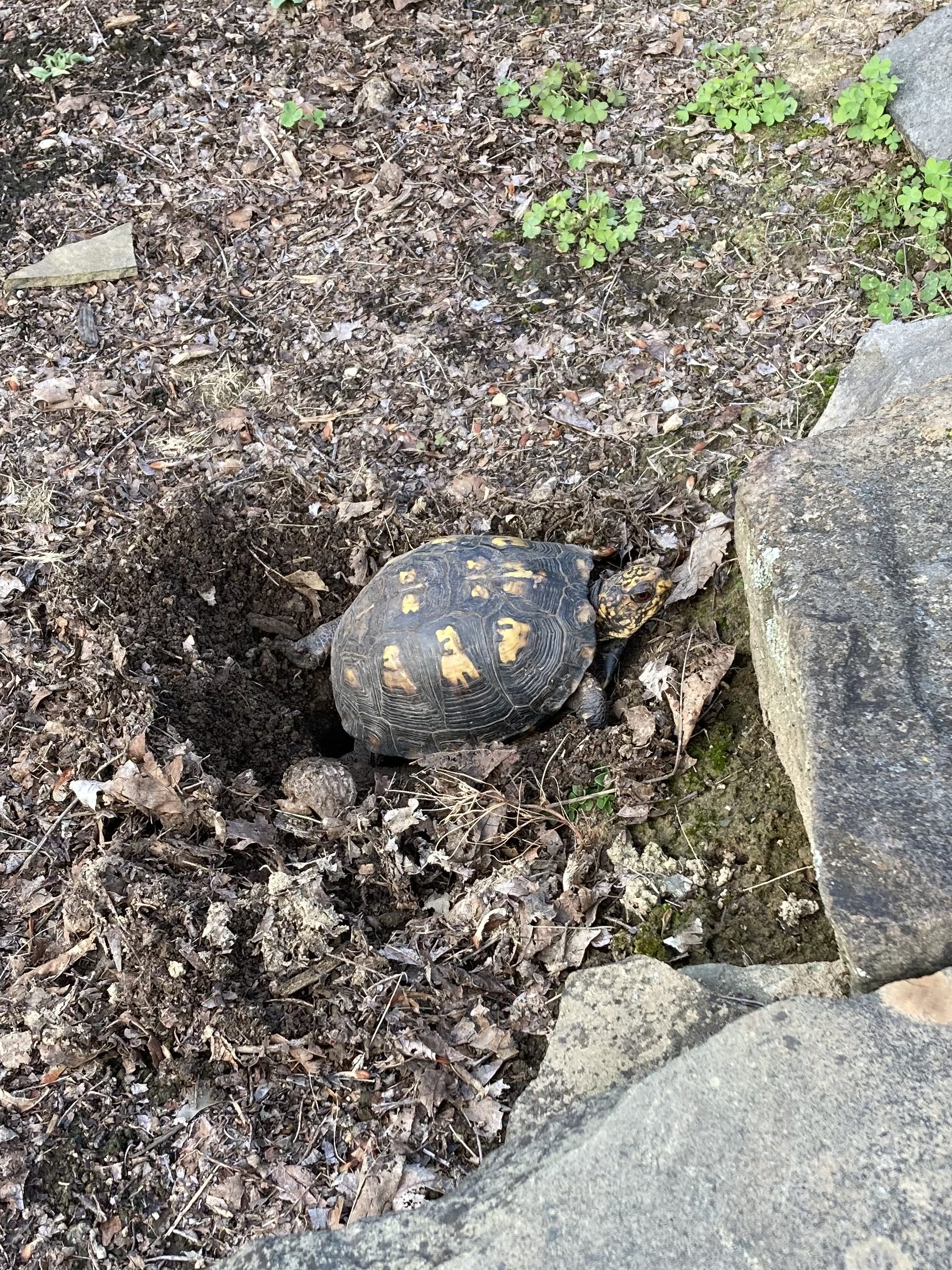
Just after sunset yesterday, I found Ernestina in an empty patch of soil where I usually plant basil (haven’t gotten around to that yet). I missed her usual appearance last year so was glad to see her alive and well. I didn’t hang around long, she’s not crazy about people. When I checked on her later, I noticed something was different from all the other times I had come across her, usually looking annoyed or head-down, Greta Garbo-like in a shallow burrow of leaves, pine needles, or soil in the vegetable garden. This time she had dug several inches into the soft soil and her butt was in the deep end and her head and front legs were on the surface. She was making a slow rocking motion, and her back legs were pushing soil around. She did not draw her head and legs into her shell as she usually does when we meet. Clearly, eggs were happening!
I consulted various conservation websites and learned that Ernestina’s behavior was classic for a turtle of egg-laying age (typically not until they are 8-20 years old). She had dug two other shallow depressions nearby until settling on the final spot for her nest. She laid her eggs in soft soil near the top of a hill in an open space where they would be warmed by the sun (hatchling sex is determined by soil temperature–warm sites result in female hatchlings, cool sites males). I also learned that few box turtle eggs survive since they are irresistible to racoons, skunks, snakes, coyotes, and crows—all of which frequent our garden.

I checked on her one more time around 11 pm and she was still in the nest. In the morning, she was gone, which wasn’t surprising since Eastern box turtles take a hands-off approach to parenthood. I was relieved to see her beautiful nest undisturbed—she had completely covered the eggs and topped them with a slight mound of soil and leaves. I knew I had to take it from here if Ernestina’s babies had any chance of survival.

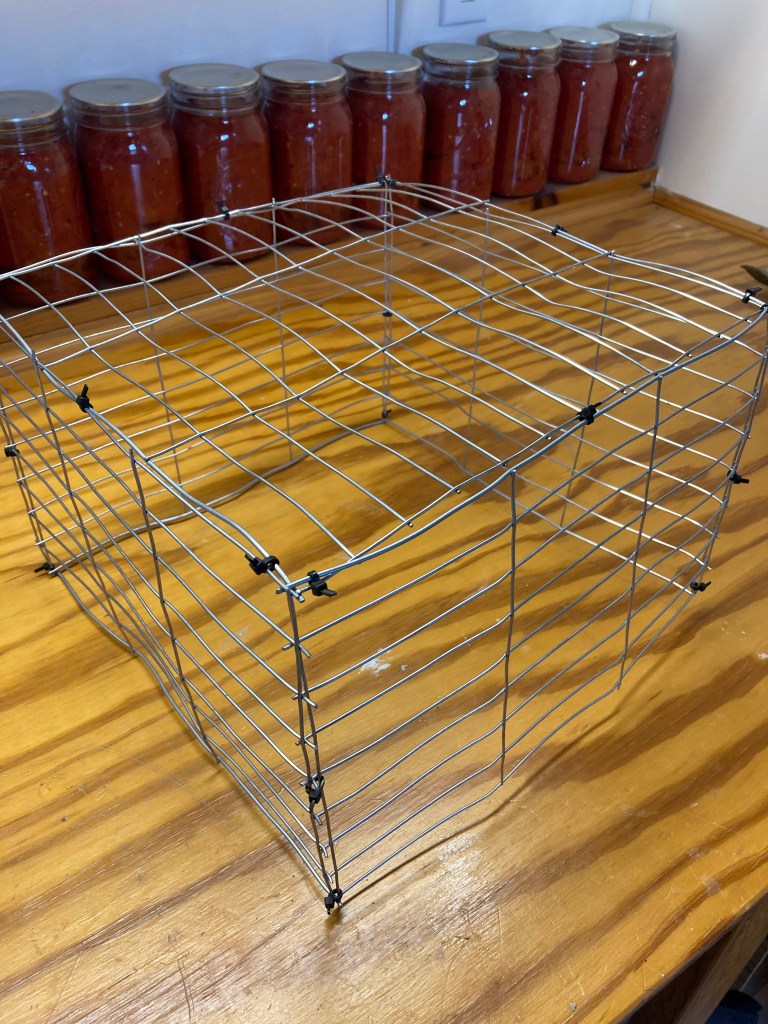
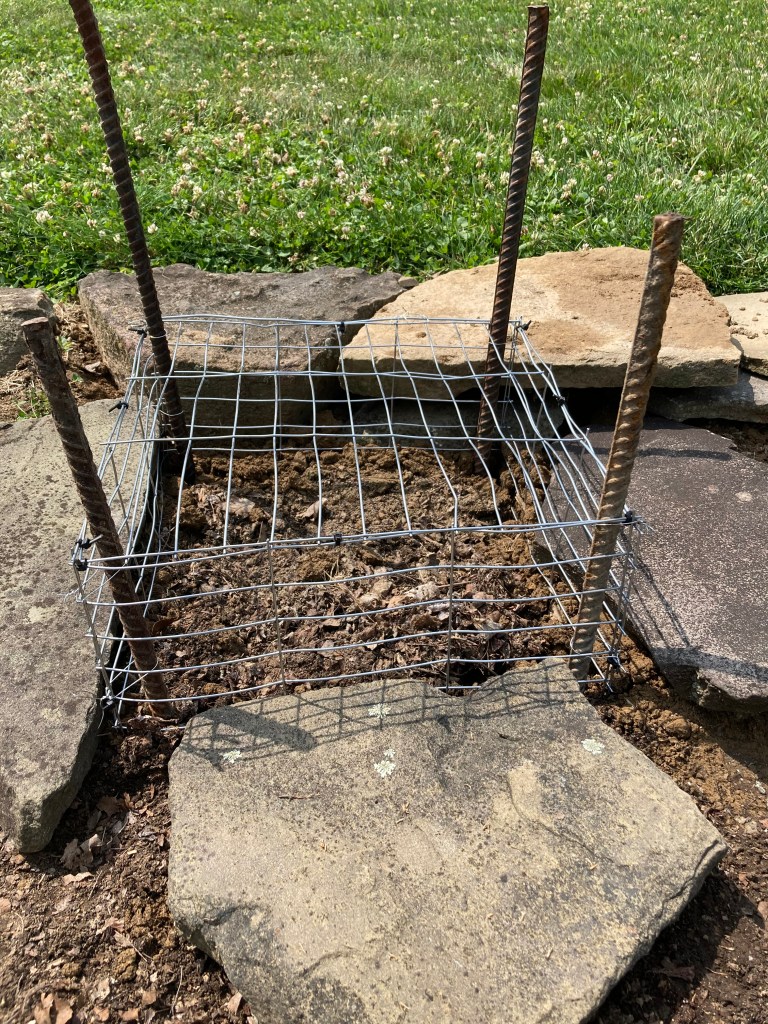
I found plans online for making a mesh box to protect the nest and eggs and quickly put one together (the plans I used are at https://wiatri.net/Inventory/WiTurtles/Volunteer/Images/ProtectingTurtleNests.pdf). As we carefully installed the box over the nest, we disturbed a large ant colony and a wolf spider carrying her egg sac on her back. This little spot was a hotbed of egg-laying! We put some temporary rocks around the base of the cage to discourage predators digging, but will remove them in about a month so as not to impede the baby turtles. With any luck, they will hatch in 45-90 days.
For more information about the Eastern box turtle, visit https://www.nwf.org/Educational-Resources/Wildlife-Guide/Reptiles/Eastern-Box-Turtle.
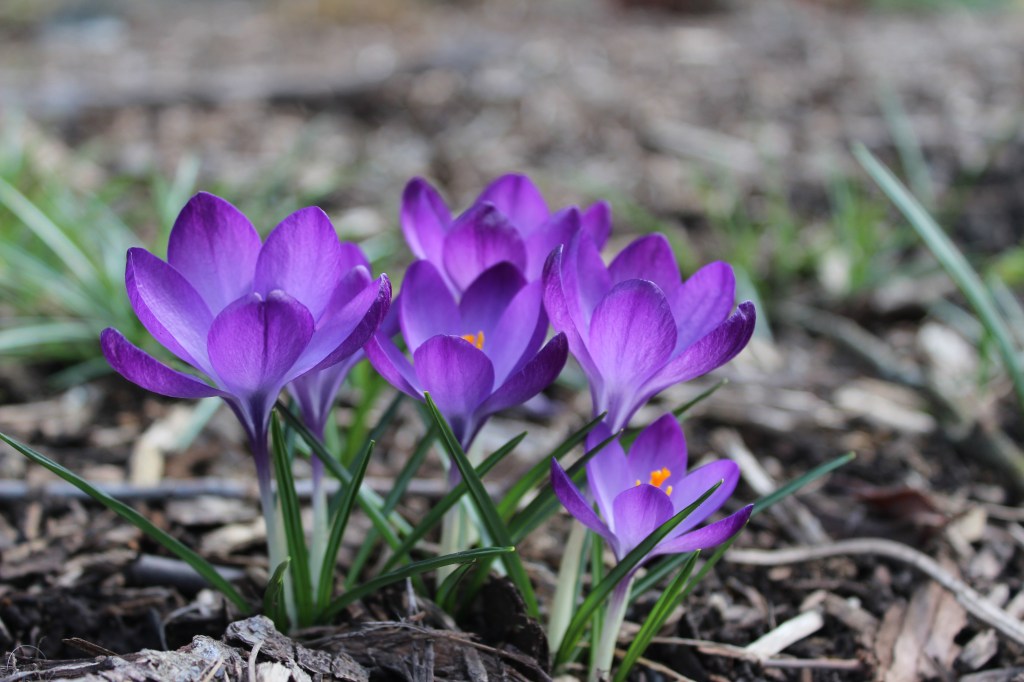
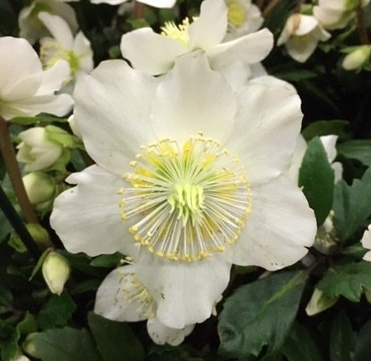 If you’re looking to add some winter blooms to the garden, hellebores fit the bill, and this one blooms early: November and all through winter. I like the way its bright white flowers are held upright above the foliage so you can really see them in the garden. Dark leathery leaves remain attractive all through summer too. But this hellebore wasn’t the only new kid on the block. There were more new perennnials (and some terrific older ones) than you could shake a stick at.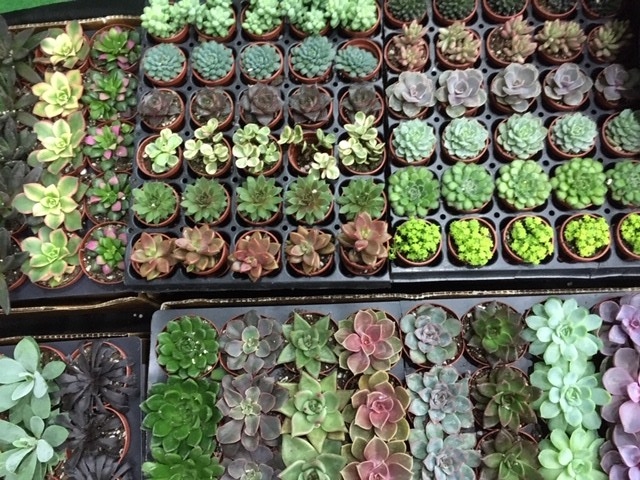
 tiens—Shade gardeners have been subbing coleus, begonias, and caladiums ever since downy mildew flattened impatiens about eight years ago. While those substitutes are perfectly fine plants, we’ve missed our impatiens. Plant breeders came to the rescue and are now offering us a slew of mildew-resistant varieties, including this deep-red number called ‘Beacon.’
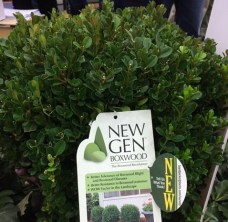 xwood—Speaking of devastating diseases, boxwood blight has been a doozy. It’s especially tough because boxwood has been a reliable and long-lived structural element in gardens for centuries. Once again, plant breeders have stepped up and introduced blight-resistant varieties like NewGen Independence® and NewGen Freedom,® which are set to hit the market this year.
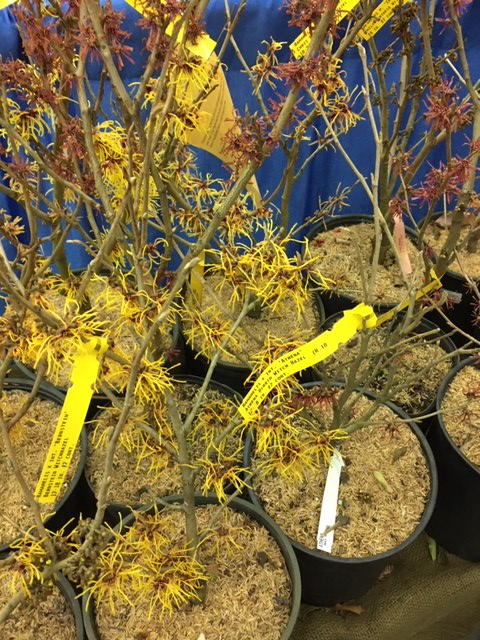 Witchhazels and a tree-form winterberry holly—The best thing about MANTS is talking to the people you meet or reconnect with. Tim Brotzman is a wizard when it comes to tree propagation and I enjoyed visiting his booth and talking to him and his wife Sonia. Some of his 125 varieties of witchhazels were on display in full bloom, as was an interesting tree form of winterberry holly (usually this is a thicket of a shrub). Tim’s nursery in Lake County, OH is wholesale only, but you will find many of his creations at your local garden center.
 The bougainvillea whisperer—After failing spectacularly with bougainvillea last summer, I was gobsmacked by the colorful display at the Topiary Creations booth. Claude was kind enough to give me a detailed rundown on how to care for them and, most importantly, how to get them to re-bloom. My good friend Mrs. Know-It-All captured his tutorial on video, and you can find it (and other videos from the show) at this link (be sure to scroll down):
  50th Anniversary panel discussion—I can’t close without highlighting the fact that this was the 50th anniversary of MANTS! We garden writers were treated to a special panel discussion by veterans of the show who shared how it has changed in those 50 years, what hasn’t, and their outlook for the future of the green industry.
 distinctive ‘E’ marking on its shell so I’ve named it Ernie. This year Ernie brought a friend, a smaller box turtle I saw just once nestled between the rows of garlic. I’m not sure if the scent of ripe strawberries draws Ernie from the woods several hundred feet away, but he always samples the bounty and I don’t mind sharing. Ernie hung around longer this year. From the vegetable garden, he relocated to the shelter of the fig and was last seen burrowed under the towering lovage in the herb garden. After all these years, I have never seen Ernie on the move (although my husband nearly ran him over with the lawn tractor once) and he seems to resent human contact. He slowly withdraws into his shell if I approach, and just our appearance is enough to make him disappear for days. Nonetheless, I feel I have been bestowed with a great blessing when he makes an appearance.
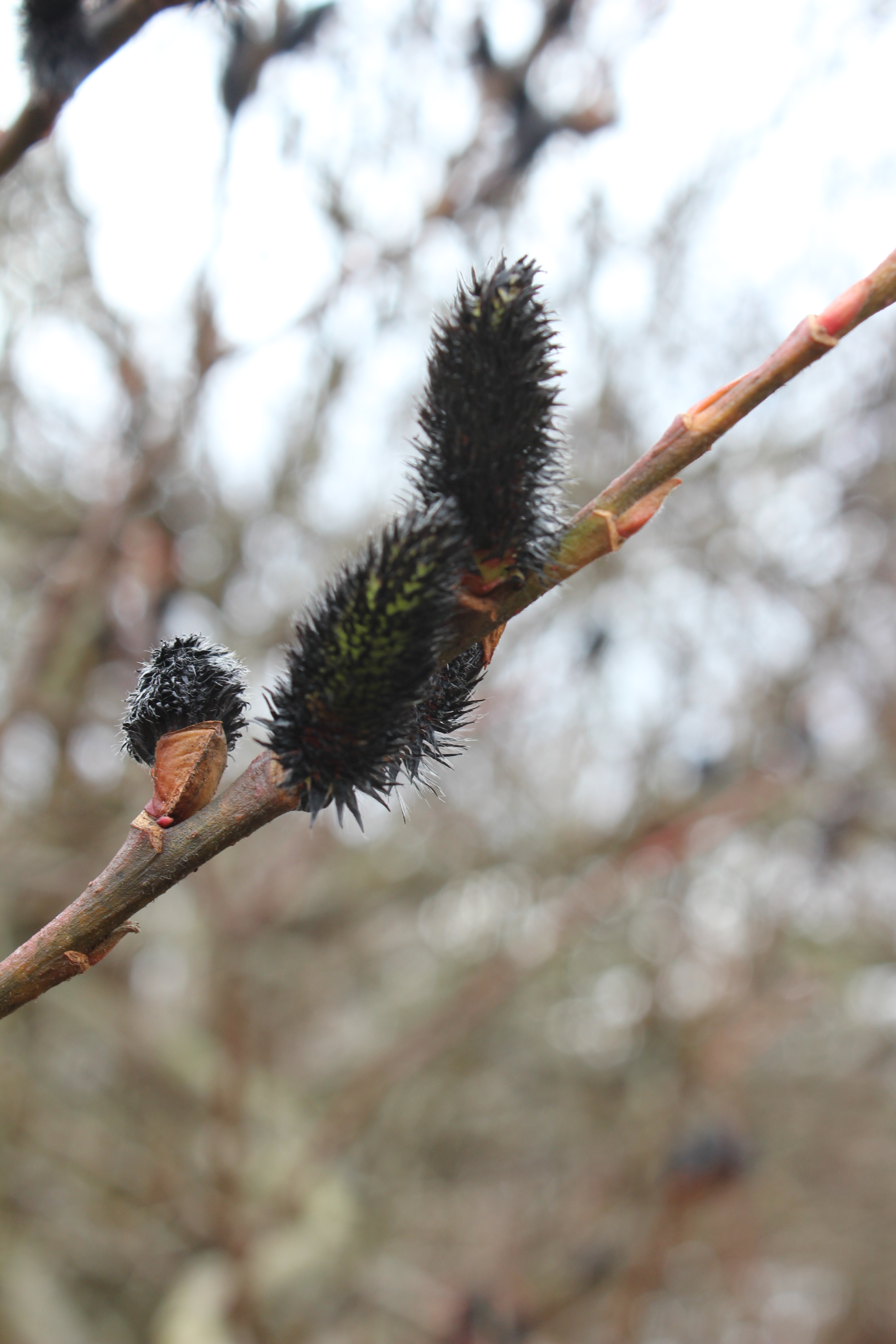 The air smells different now, no longer tinged with snow but with an earthiness brought forth from the tentative thaw. Hellebore flowers, from under their winter-battered leathery leaves, are dragging their fresh ruffled chartreuse blooms from the cold soil like tousle-headed teenagers trying to wake. Birds dart in and out of the viburnum hedge, noisily staking out their nesting territory. I round the corner and gasp, delighted as spring smacks me full force. Why am I surprised? It happens every year.
 Plant Some Joy!